Stretch Art — Deconstruction of the Method
Stretch Art — Deconstruction of the Method
The deconstruction of the method begins not with abandoning the 22 points, but with reconsidering the conditions under which a materially defined line segment emerges between them. The tension of a rubber band, its fixation with a pushpin, and the formation of a connection no longer necessarily imply one another. A point may be defined by a knot — a place where several segments meet; fasteners may remain without connections, and rubber bands without tension. Thus, it is not only the configuration of points that is reconsidered, but also the very way in which connections are formed between them.
Maintaining the limit of 22 points, I explore different possibilities of construction — from the simplest forms to complex geometry. However, increasing and decreasing complexity occur not only in the geometric construction but also in its material organization. Geometric simplicity does not necessarily coincide with material simplicity. Abandoning tension, changing the way segments are connected, or eliminating the connections themselves makes it possible to explore these differences without exceeding the original number of points.
Time also enters into this process of exploring possibilities. The material changes independently of the initial construction: tension weakens, rubber bands break, and connections disappear. Disintegration becomes one of the observable states, alongside the emergence of new configurations. Connectedness and disconnectedness are considered not as opposite outcomes, but as different possibilities for working with the same initial elements.
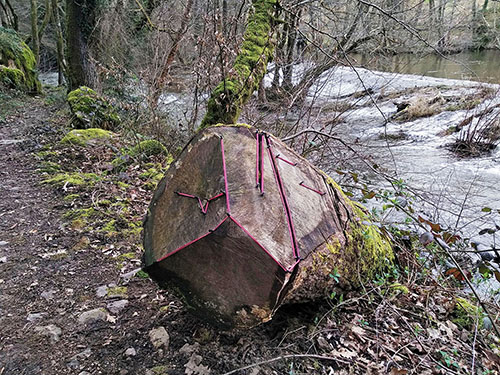
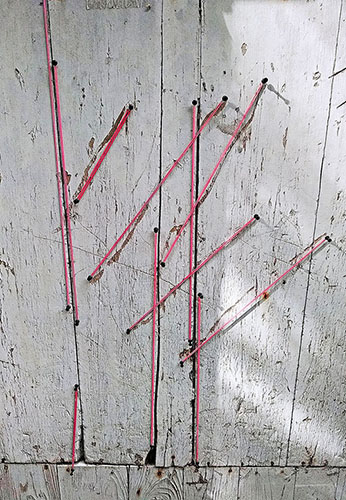
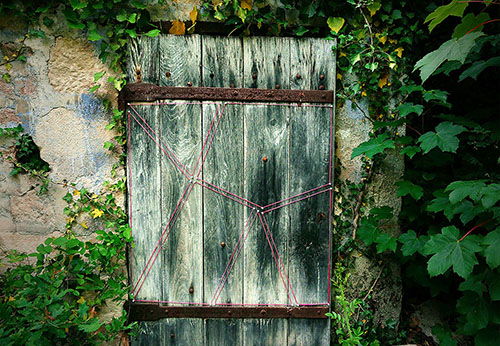
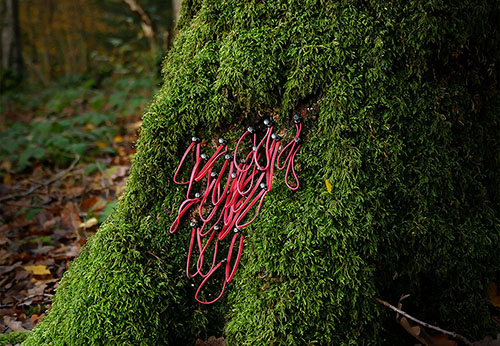
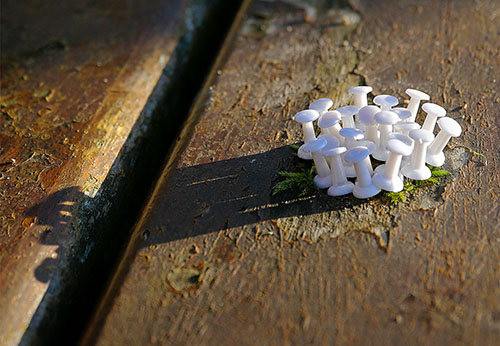
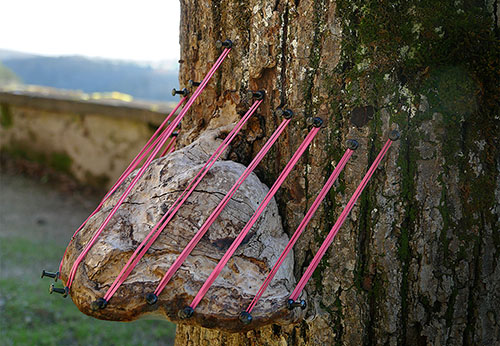
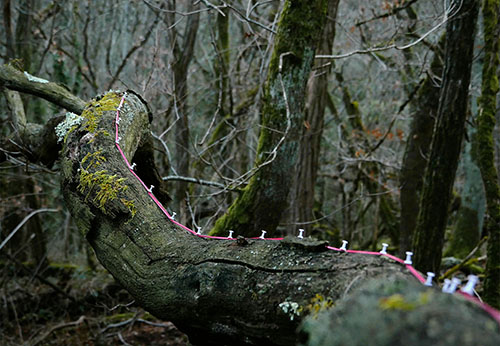
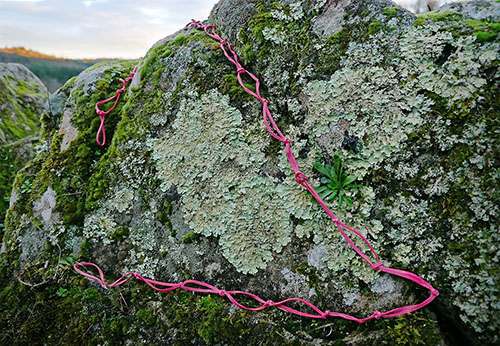

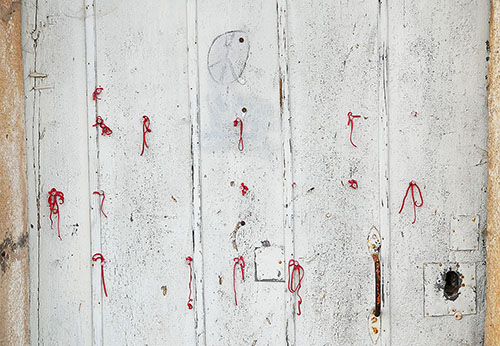
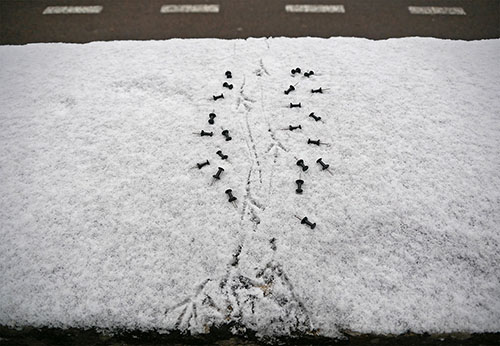
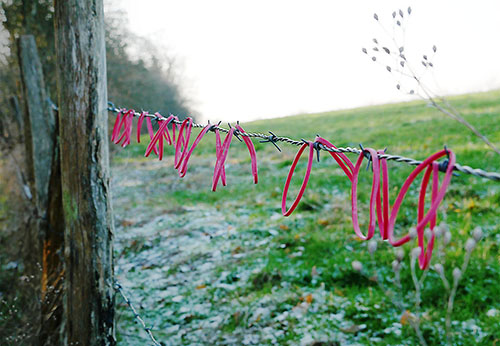
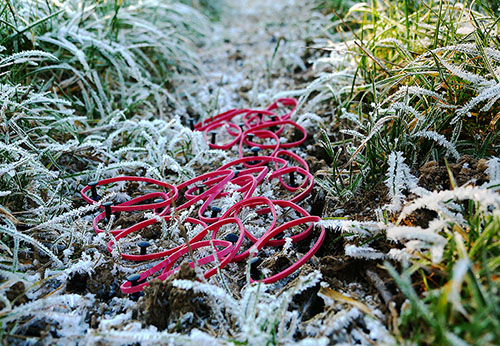
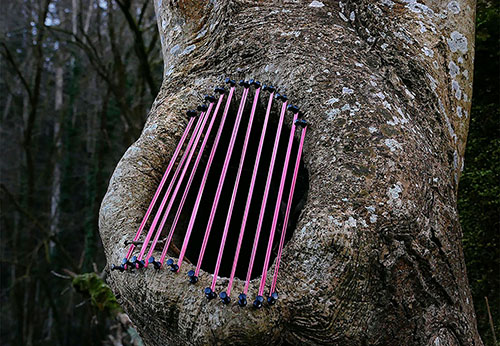
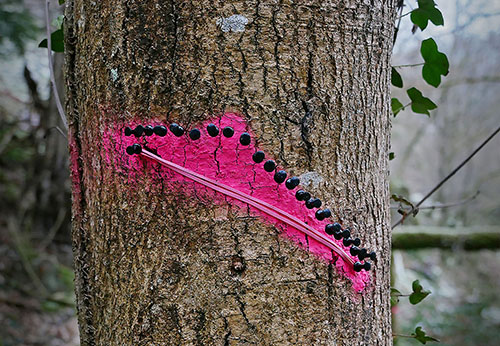
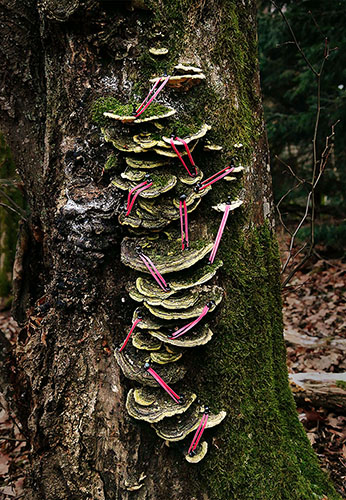
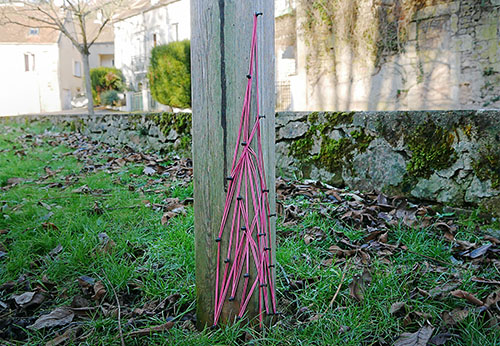
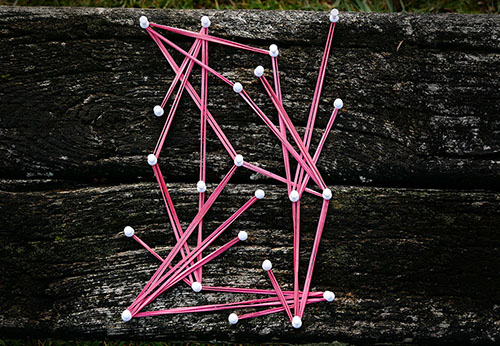
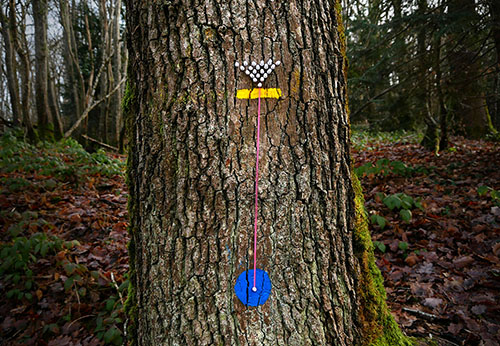

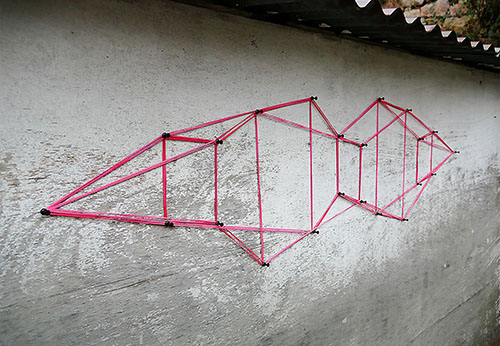
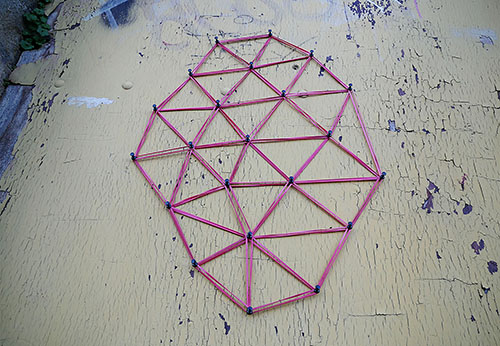
The attempt to discover a particular system arises only after these experiments have been carried out. The movement from complex geometry to simple geometry, from geometric construction to materiality, and from the simplest material organization to its increasing complexity becomes a way of arranging the results in relation to one another. In the installation A Square of Photographs and a Red Thread, this sequence is established retrospectively rather than reproducing a predetermined order.
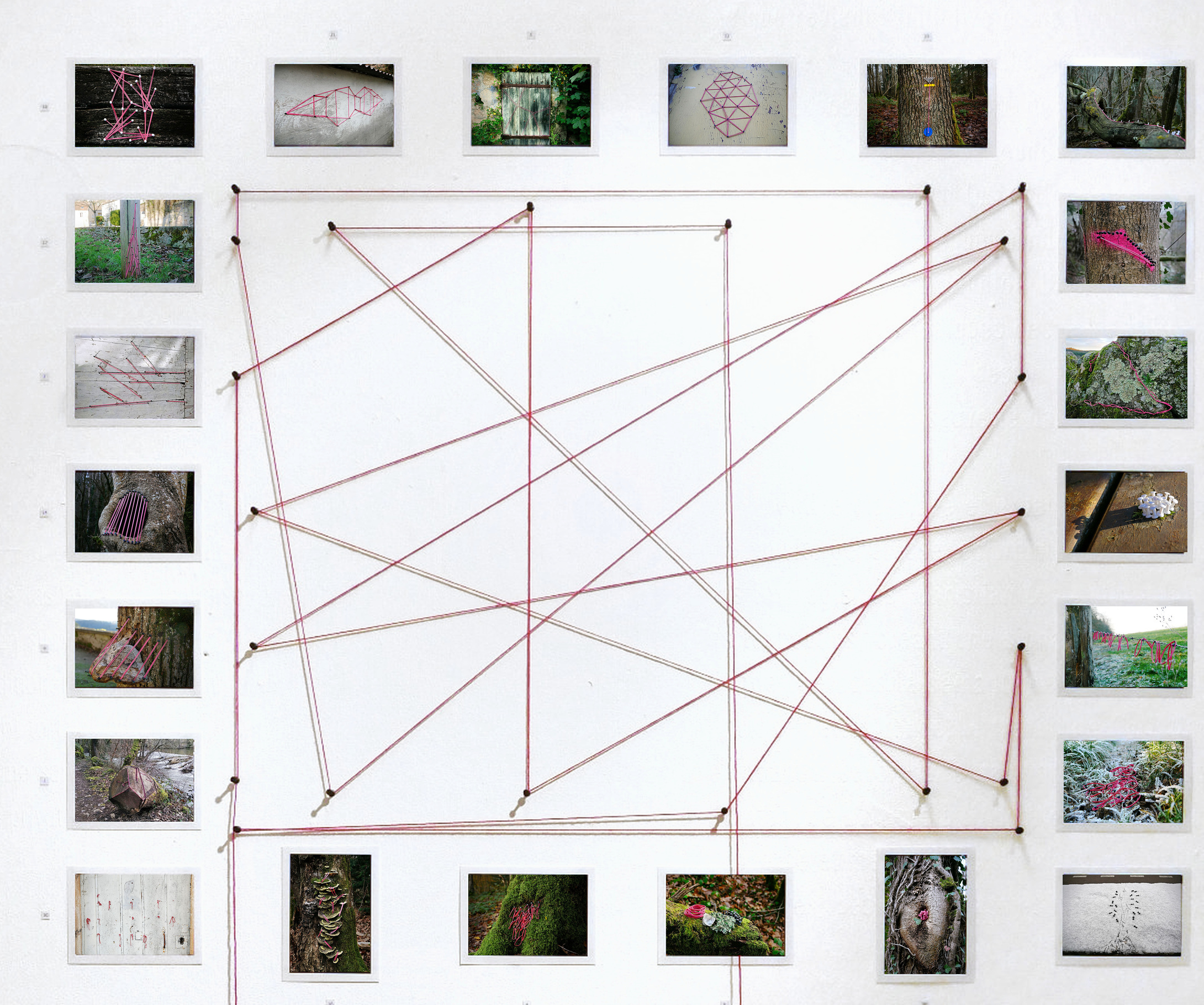
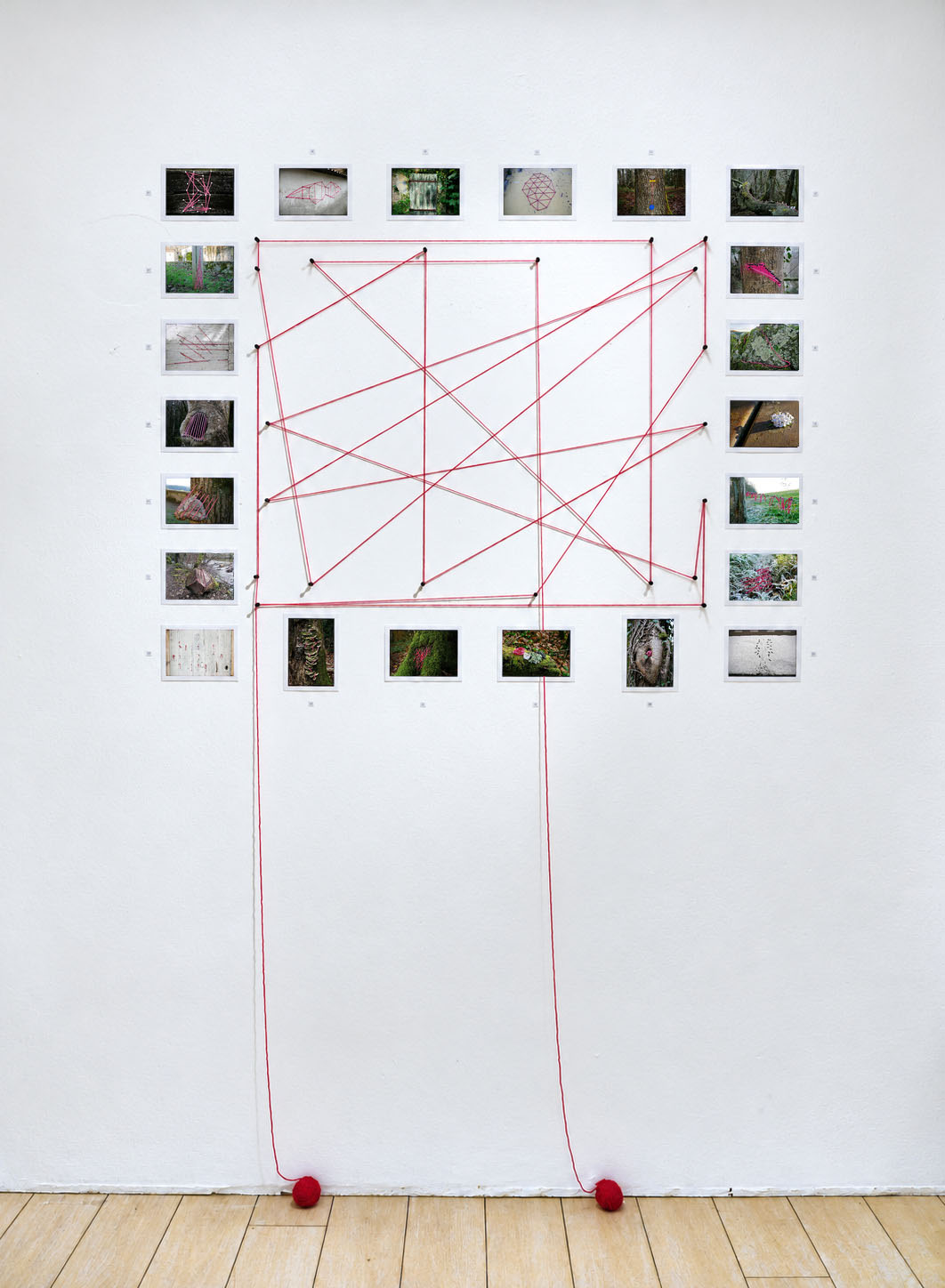
The same process of exploring possibilities forms the basis of the Subtraction Machine. Each combination, once realized, takes its place in the chain of variability and no longer requires repetition or further development. It becomes an instance of subtraction — something that has already been discovered and can be set aside. In the video, this logic unfolds through the text of the Subtraction Machine, while in the installation it unfolds through the juxtaposition of material and geometric variations. Deconstruction is not limited to multiplying possible constructions: the systematic exploration of possibilities simultaneously becomes the systematic exclusion of what has already been found.